




Amputation, Prosthesis Use, and Phantom Limb Pain: An Interdisciplinary Perspective

 4.2 (66 items)
 Limited Time Sale
US$24.94 cheaper than the new price!!
Free cash-on-delivery fees for purchases over $99
Product details
| Management number | 231914728 | Release Date | 2026/06/18 | List Price | US$16.62 | Model Number | 231914728 | ||
|---|---|---|---|---|---|---|---|---|---|
| Category | |||||||||
The main objective in the rehabilitation of people following amputation is to restore or improve their functioning, which includes their return to work. Full-time employment leads to beneficial health effects and being healthy leads to increased chances of full-time employment (Ross and Mirowskay 1995). Employment of disabled people enhances their self-esteem and reduces social isolation (Dougherty 1999). The importance of returning to work for people following amputation the- fore has to be considered. Perhaps the first article about reemployment and problems people may have at work after amputation was published in 1955 (Boynton 1955). In later years, there have been sporadic studies on this topic. Greater interest and more studies about returning to work and problems people have at work following amputation arose in the 1990s and has continued in recent years (Burger and Marinc ?ek 2007). These studies were conducted in different countries on all the five continents, the greatest number being carried out in Europe, mainly in the Netherlands and the UK (Burger and Marinc ?ek 2007). Owing to the different functions of our lower and upper limbs, people with lower limb amputations have different activity limitations and participation restrictions compared to people with upper limb amputations. Both have problems with driving and carrying objects. People with lower limb amputations also have problems standing, walking, running, kicking, turning and stamping, whereas people with upper limb amputations have problems grasping, lifting, pushing, pulling, writing, typing, and pounding (Giridhar et al. 2001). Read more
Bestseller ranking
All Truck Racks
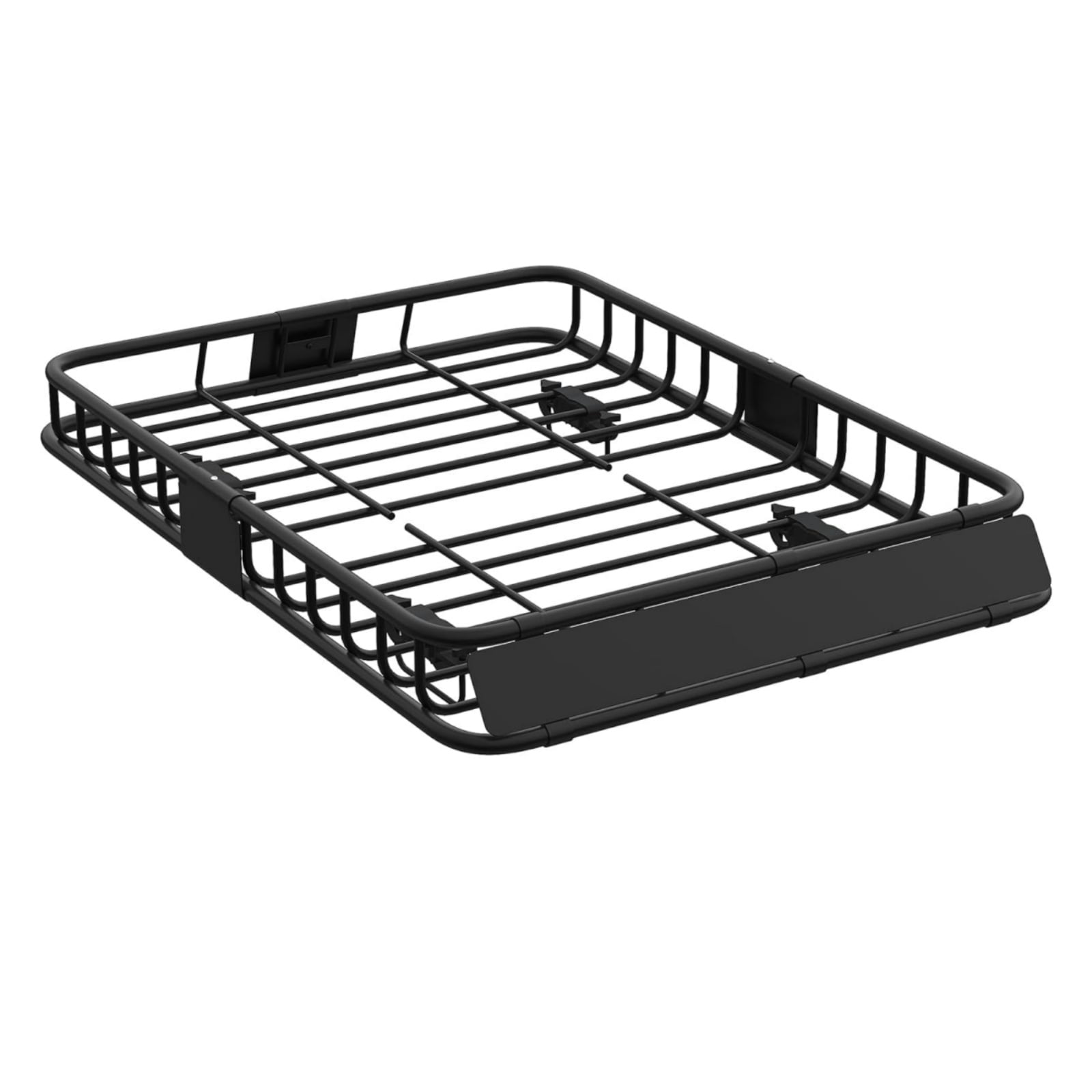
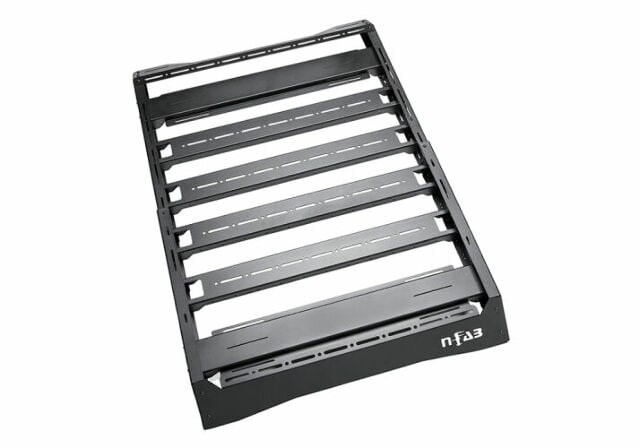
Customers who viewed this product also viewed
Biomedical Engineering


Correction of product information
If you notice any omissions or errors in the product information on this page, please use the correction request form below.
Correction Request Form